Work
Cement rendering
We look at brick and block walls around Kensington, then say what a cement render coat would involve for that surface.
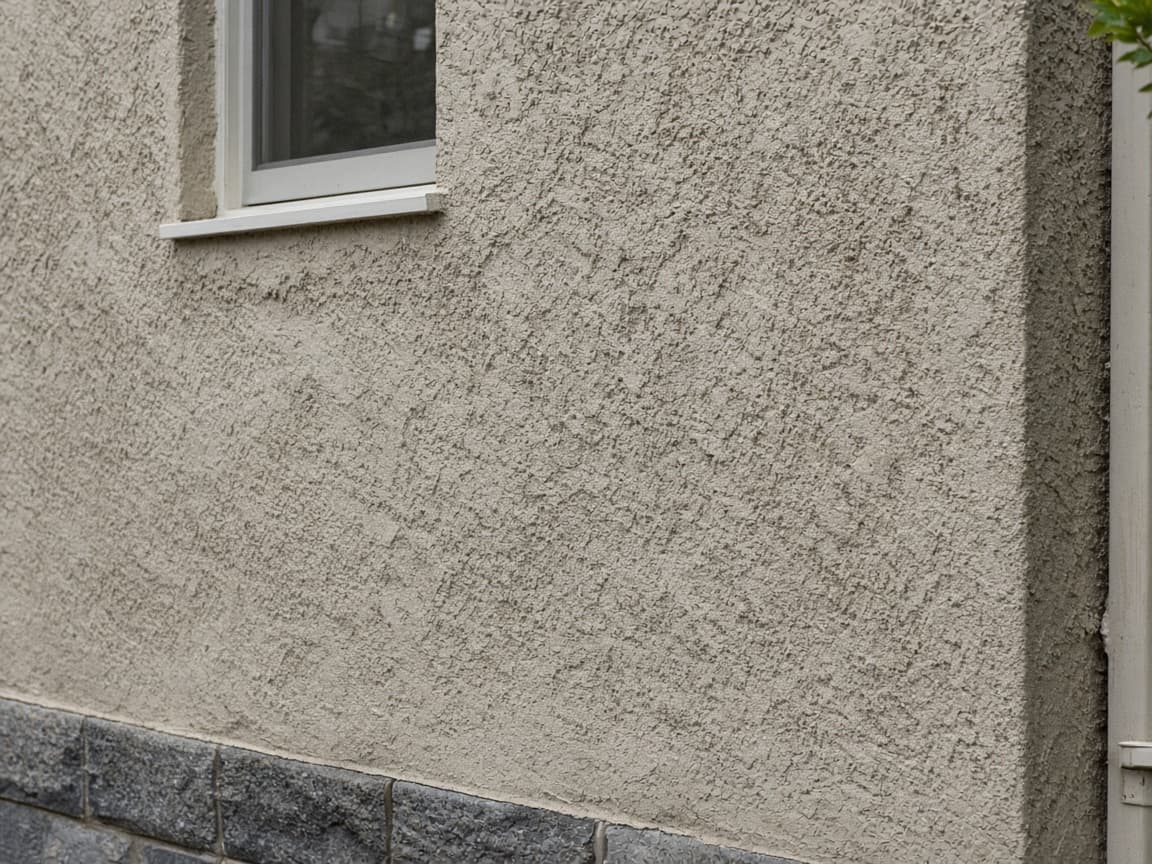
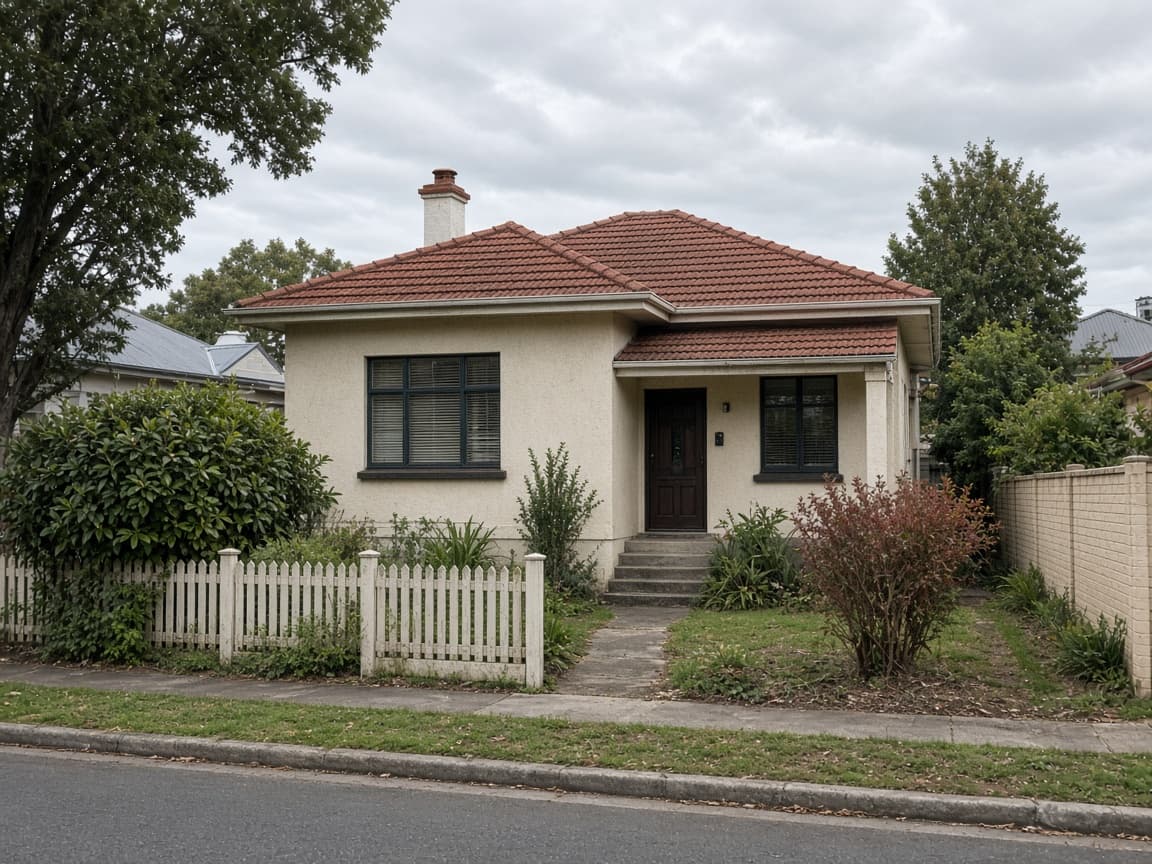
Cement render is still the usual coat on a lot of brick and block around Kensington: sand, cement and often lime, laid in coats and left to cure. You see it on older bungalows, on the sides of low brick flats, and on houses that were rendered years ago and then painted. It is not a paint. It is a mineral skin, and it only lasts if it is stuck to what is underneath.
On a visit we look at the wall itself. We tap for hollow patches, check cracks at corners and under sills, and see whether the brick or the old render is still bonded. Staining at the base, salt on a lower course, or a garden bed piled against the wall all change what a new coat can do. Height and access matter as well: a single-storey front that opens to the street is a different job from a narrow side passage between two houses.
Work usually follows a simple order. Loose or hollow material comes off. The wall is washed and allowed to dry. Then the coats go on — a base, then a finish — and they need time to cure before anyone talks about paint. If the wall is high, how we reach it is part of the visit, not a surprise afterwards.
A figure from a photograph is guesswork. The quote depends on how much has to be stripped, how many square metres are in play, how high the wall is, and whether we can work from the ground. We do not set a price per metre on this website.
This page is not a paint catalogue and it is not a contract. Roofs, plumbing and cracks that go through the brick are outside a render coat unless we write them into a quote after we have seen them. Send the suburb and the postcode. BRAVA RENDERING PTY LTD, trading as Barkletts, will get in touch to arrange a visit, then a written quote. There is no payment on this site.